






In today’s fast-paced culinary industry, the demand for flexible, efficient, and professionally equipped kitchens is higher than ever. Whether you’re a budding chef, a seasoned restaurateur, or an educational institution looking to provide hands-on training, the option to rent a kitchen can be a game-changer.
The Advantages of Renting a Kitchen
For many culinary professionals and organisations, owning a commercial kitchen isn’t always practical or cost-effective. Renting a kitchen offers flexibility and access to state-of-the-art facilities without the burdens of long-term investment. Here are some key benefits:
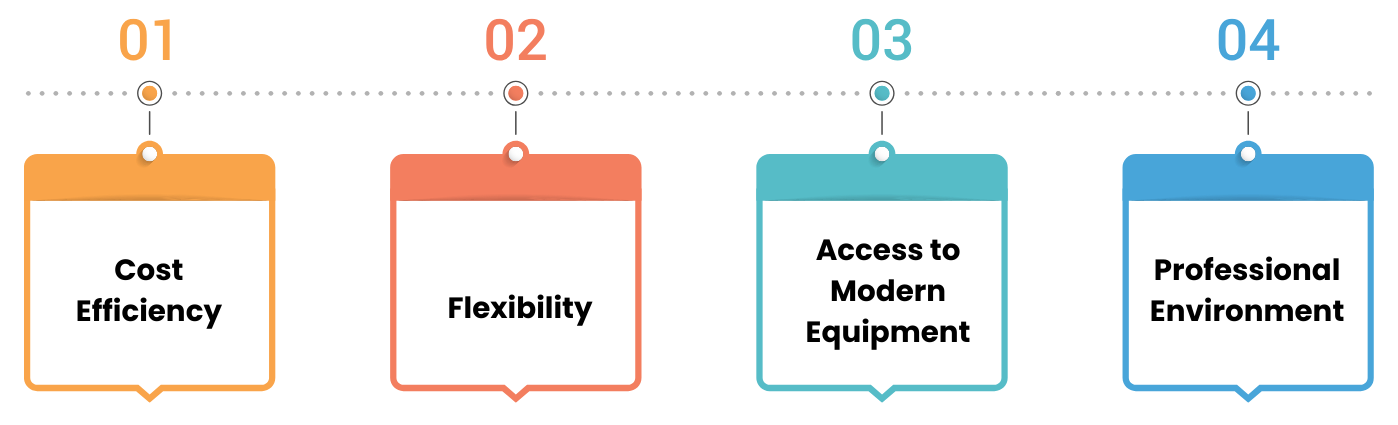
- Cost Efficiency: Renting allows you to avoid hefty upfront investments and the ongoing costs associated with maintaining your own facility.
- Flexibility: Whether you need a kitchen for a day, a week, or longer, rental agreements can be tailored to suit your schedule and project needs.
- Access to Modern Equipment: Many rental kitchens come fully equipped with the latest technology, ensuring you have the tools needed to deliver high-quality culinary training or production.
- Professional Environment: Operating in a commercial space that meets industry standards can enhance your credibility and provide a real-world environment for training or production.
By choosing to rent a kitchen, you’re not just saving money—you’re investing in a resource that can elevate your culinary endeavours to the next level.
What Is a 9B Compliance Kitchen?
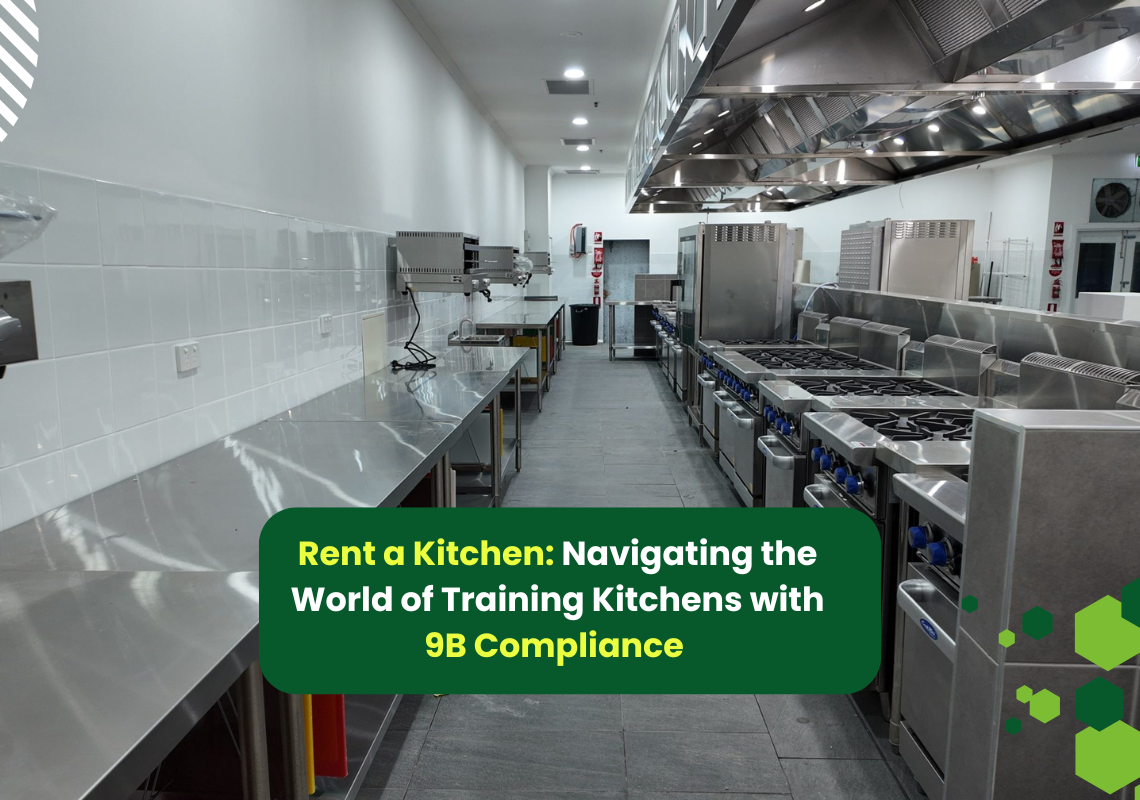
A term increasingly encountered in the realm of training kitchens is 9B Compliance Kitchen. But what does this term really mean? In essence, 9B Compliance refers to a specific set of standards and regulatory requirements designed for training kitchens, particularly within Registered Training Organisations (RTOs). These standards ensure that the facility is safe, hygienic, and well-equipped to deliver practical culinary training.
Key Elements of 9B Compliance Kitchen:
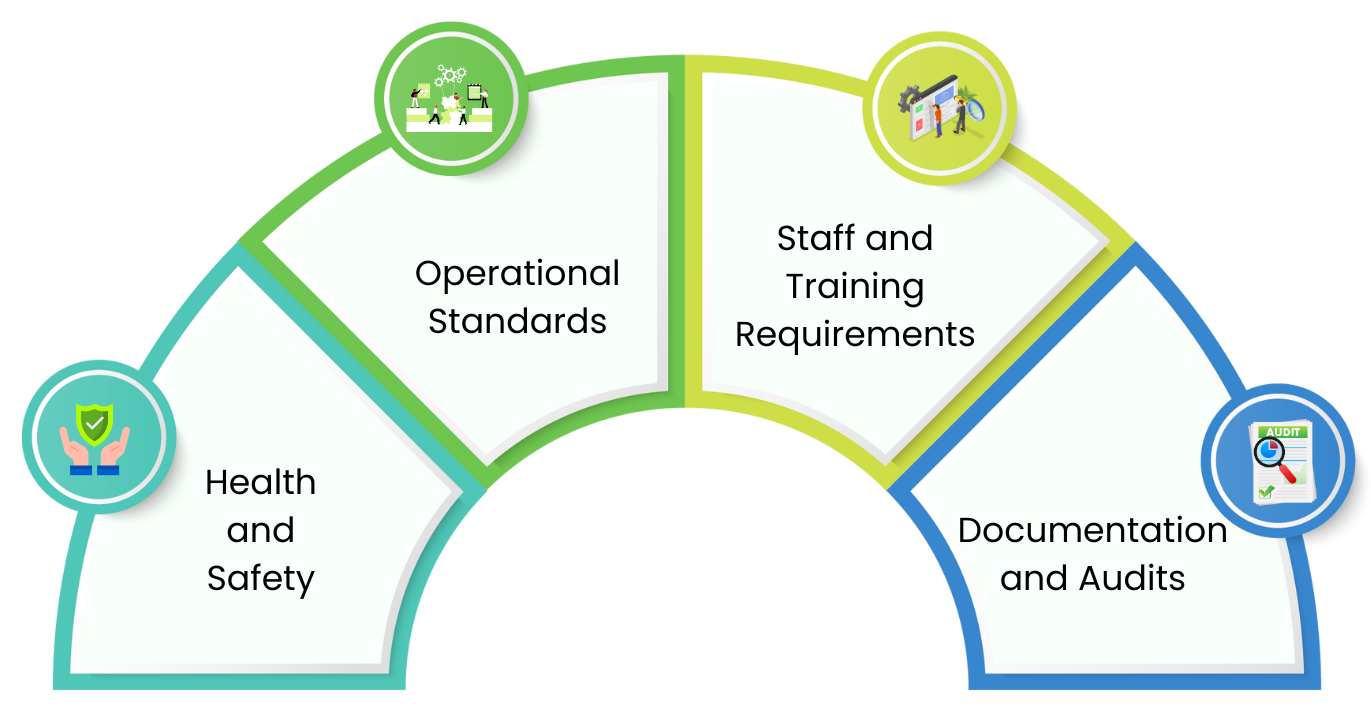
Understanding what is 9B Compliance Kitchen is vital if you plan to lease a training kitchen, as it directly impacts the quality and credibility of the training provided.
Factors to Know Before Leasing a Training Kitchen
Before you take the leap and sign a lease, it’s essential to consider several factors to ensure the training kitchen meets your specific needs and aligns with industry standards. Here are some crucial points to ponder:
- Compliance and Certification
- Verify 9B Compliance: Ensure the kitchen adheres to the 9B Compliance Kitchen standards. Ask for certification and proof of recent audits to guarantee that the facility meets the required health, safety, and operational protocols.
- Regulatory Adherence: Check if the kitchen complies with local Australian regulations regarding food safety and occupational health.
- Location and Accessibility
- Proximity: Consider the location relative to your target audience or staff. An easily accessible kitchen in a central area can increase attendance for training sessions or reduce logistics costs for catering businesses.
- Transport Links: Good transport connections are important if you anticipate regular student or staff commutes.
- Facility and Equipment
- Modern and Up-to-Date Equipment: Evaluate whether the kitchen is equipped with contemporary appliances and utensils. This ensures that your trainees gain experience with the latest technology.
- Maintenance Standards: Confirm that the facility is well-maintained, with regular servicing of equipment, proper ventilation, and efficient waste management systems in place.
- Space and Layout: Ensure that the kitchen’s layout supports the type of training or production you intend to run. A well-designed space should facilitate smooth workflow and ample room for multiple users.
- Cost and Lease Terms
- Budget: Factor in the rental cost and compare it with your budget. Consider whether the cost includes utilities, cleaning services, and other operational expenses.
- Flexible Lease Options: Look for lease agreements that offer flexibility in terms of duration and usage. This is particularly important if your training schedules or production needs fluctuate.
- Hidden Charges: Ensure you are aware of any additional fees that might be associated with the lease, such as cleaning fees or overtime charges.
- Support and Additional Services
- Technical Support: A reliable facility should provide technical support in case of equipment failure or other operational issues.
- Additional Amenities: Some kitchens offer extra amenities such as dedicated storage areas, on-site parking, and even catering services. These can add significant value to your rental agreement.
- Training Support: If you’re leasing a kitchen for training purposes, check whether the facility provides support services such as certified trainers, specialised culinary courses, or marketing assistance for your programs.
Making the Decision: Renting a Kitchen with Confidence
Choosing the right training kitchen is a strategic decision that can influence the success of your culinary projects or training programmes. By understanding the nuances of what is 9B Compliance Kitchen and carefully considering the factors to know before leasing a training kitchen, you set the stage for operational excellence and educational success.
The process of deciding to rent a kitchen should involve thorough research, clear communication with the facility providers, and a detailed review of lease agreements. Taking these steps ensures that your investment not only meets current industry standards but also supports your long-term goals in culinary innovation and training.
Conclusion
In Australia’s dynamic culinary landscape, the option to rent a kitchen offers unparalleled flexibility and access to high-quality, professionally maintained spaces. With a growing emphasis on standards like 9B Compliance Kitchen, it’s imperative for anyone leasing a training kitchen to be fully informed about Compliance, location, equipment, costs, and support services. By taking the time to understand these key aspects and performing due diligence, you can confidently choose a facility that will foster creativity, ensure safety, and support the development of culinary talent.
Whether you’re embarking on a new training programme, launching a food start-up, or simply looking to experiment in a professional environment, the right kitchen can make all the difference. Embrace the opportunity to elevate your culinary projects by making an informed decision and set the foundation for success in every dish you create.