






In the competitive landscape of Registered Training Organisations (RTOs), meeting industry standards is paramount. 9B Compliance is at the forefront of this commitment, ensuring that training kitchens operate at the highest level of safety, quality, and operational efficiency.
What is 9B Compliance?
9B Compliance refers to a set of regulatory standards and best practices designed to ensure that training kitchens in RTOs meet essential operational, safety, and quality criteria. These standards are critical for organisations that deliver culinary and hospitality training, as they help guarantee that the learning environment not only adheres to legal requirements but also provides students with a safe and effective space to develop their skills.
The framework behind 9B Compliance encompasses various aspects, from equipment and facility maintenance to staff training and emergency protocols. In Australia, where the hospitality and culinary industries are highly regulated, obtaining 9B Certification is a mark of excellence and a signal to students and industry partners that your RTO kitchen meets stringent quality standards.
9B Compliance Requirements
Meeting the 9b compliance requirements is a multifaceted process that involves several key areas:
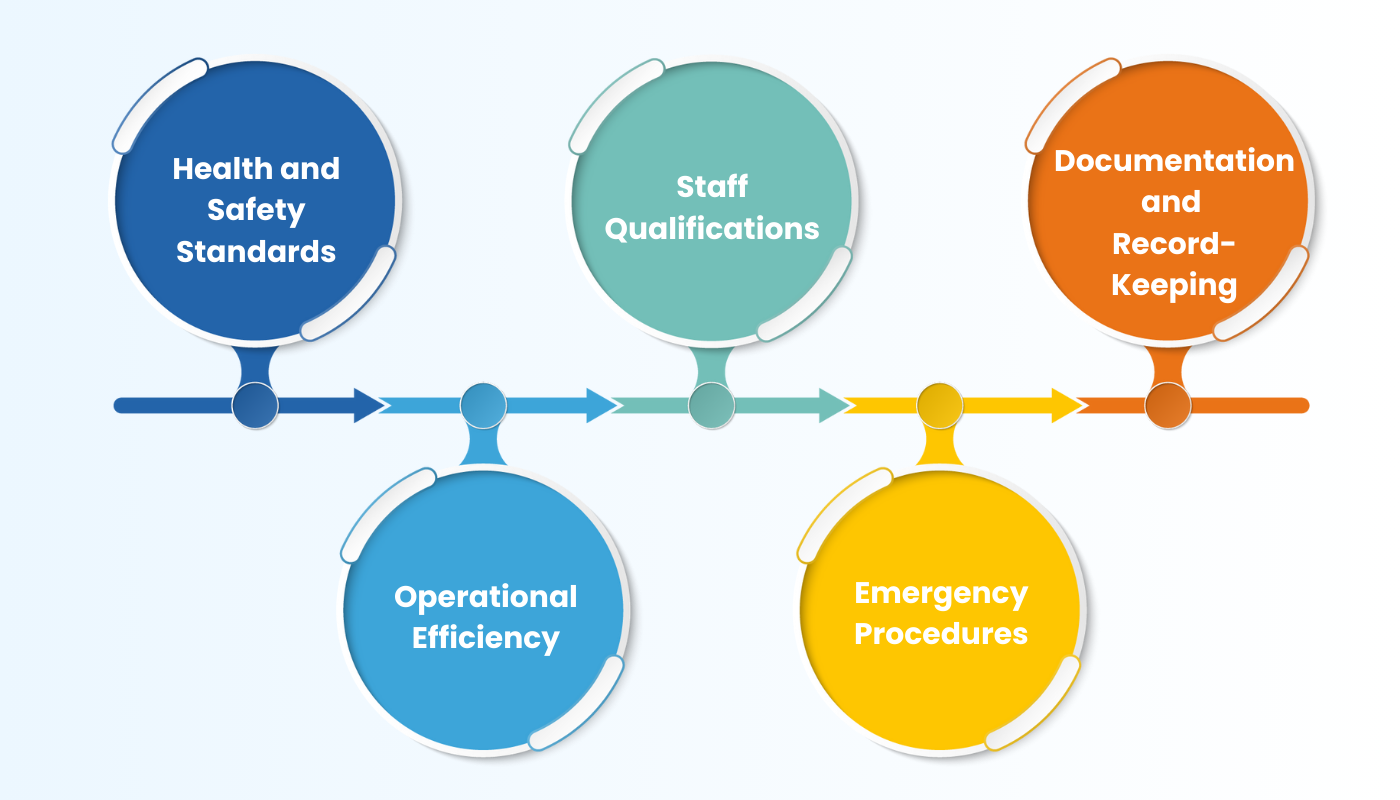
- Health and Safety Standards: Your training kitchen must adhere to all local health regulations, including food safety, fire safety, and hygiene protocols. Regular inspections and audits ensure that these standards are consistently met.
- Operational Efficiency: Efficient layout and organisation are crucial. This includes clear workflows, proper storage solutions, and maintenance of kitchen equipment.
- Staff Qualifications: All staff operating in the kitchen must have appropriate certifications and training, ensuring they are well-equipped to maintain a safe and productive environment.
- Emergency Procedures: A comprehensive plan for emergencies, including first aid, fire response, and evacuation procedures, is mandatory.
- Documentation and Record-Keeping: Maintaining accurate records of inspections, maintenance schedules, staff training, and incident reports is essential for demonstrating ongoing compliance.
By understanding and addressing these 9b compliance requirements, RTOs can create an environment that not only meets but exceeds the expectations set by regulatory bodies.
The Essential 9B Compliance Checklist
To help you navigate the complexities of compliance, here is a comprehensive 9B compliance checklist:
1. Health and Safety Audits:
- Conduct regular health and safety audits.
- Ensure adherence to food safety and hygiene standards.
- Implement pest control and waste management procedures.
2. Equipment and Facility Maintenance:
- Schedule routine maintenance for all kitchen equipment.
- Ensure proper ventilation, fire suppression systems, and electrical safety.
- Keep a log of all inspections and repairs.
3. Staff Training and Certification:
- Verify that all staff hold current food handling and safety certifications.
- Provide ongoing professional development and refresher courses.
- Document training sessions and certifications.
4. Emergency Preparedness:
- Develop and regularly update emergency response plans.
- Ensure first aid kits and fire extinguishers are accessible and maintained.
- Conduct regular emergency drills with staff and students.
5. Documentation and Record-Keeping:
- Maintain detailed records of compliance audits and training.
- Store documentation securely for easy access during inspections.
- Review and update documentation regularly.
Using this checklist, RTOs can ensure every aspect of their training kitchen meets the rigorous standards set by 9B Compliance.
How to Get 9B Certification for an RTO Training Kitchen
Achieving 9B certification for an RTO training kitchen is a process that requires careful planning and execution. Here’s a step-by-step guide to help you get started:
1. Conduct an Internal Audit:
Begin by assessing your current operations against the 9B compliance requirements. Identify any gaps in health and safety, equipment maintenance, staff training, and emergency preparedness.
2. Develop an Action Plan:
Create a detailed plan to address identified gaps. This plan should include timelines, responsible parties, and resources needed to meet each compliance area.
3. Implement Required Changes:
Upgrade your facilities, enhance staff training programs, and update emergency procedures as needed. Ensure that all changes are documented and aligned with regulatory standards.
4. Engage a Certified Assessor:
Work with a certified compliance assessor who can review your RTO kitchen’s operations. Their expertise will help ensure that all aspects of 9B Compliance are met.
5. Undergo a Formal Audit:
Once your internal review and improvements are complete, schedule a formal audit with the appropriate regulatory body. This audit will verify that your training kitchen meets all the necessary criteria for 9B certification.
6. Maintain Ongoing Compliance:
Certification is not a one-time event. Implement continuous monitoring, regular training updates, and periodic internal audits to ensure that your RTO kitchen consistently adheres to RTO training kitchen standards.
RTO Training Kitchen Standards: Why They Matter
Adhering to RTO training kitchen standards is critical for ensuring that students receive high-quality, practical training in a safe and effective environment. These standards cover everything from the physical layout of the kitchen to the qualifications of the staff. By meeting these standards, RTOs can offer:
- Enhanced Learning Experiences: A well-maintained and compliant training kitchen provides students with a realistic and safe environment to hone their culinary skills.
- Industry Recognition: Certification and adherence to high standards enhance the reputation of your RTO, making it more attractive to prospective students and industry partners.
- Improved Safety: Comprehensive safety protocols and regular training ensure that both staff and students are protected in the event of an emergency.
- Operational Excellence: Efficient, well-organised kitchens not only improve the quality of training but also streamline operations, reducing downtime and maintenance issues.
By embedding these standards into every aspect of your operations, you demonstrate a commitment to excellence that goes beyond mere regulatory compliance.
Conclusion
9B Compliance is more than just a regulatory requirement—it’s a commitment to excellence in the operation of RTO training kitchens. By understanding the 9b compliance requirements and utilising a robust 9b compliance checklist, you can ensure that your facility is well-prepared for certification. Following the outlined steps on how to get 9B certification for an RTO kitchen and maintaining rigorous RTO training kitchen standards will not only safeguard your operations but also enhance the quality of culinary education you offer.
Investing in compliance and continuous improvement sets the stage for a thriving training environment, where safety, efficiency, and innovation go hand in hand. For RTOs across Australia, achieving 9B Compliance is a vital step towards building a reputable and forward-thinking culinary training institution.